Ageless Renewal Ingredients: What's in This Anti-Aging Serum

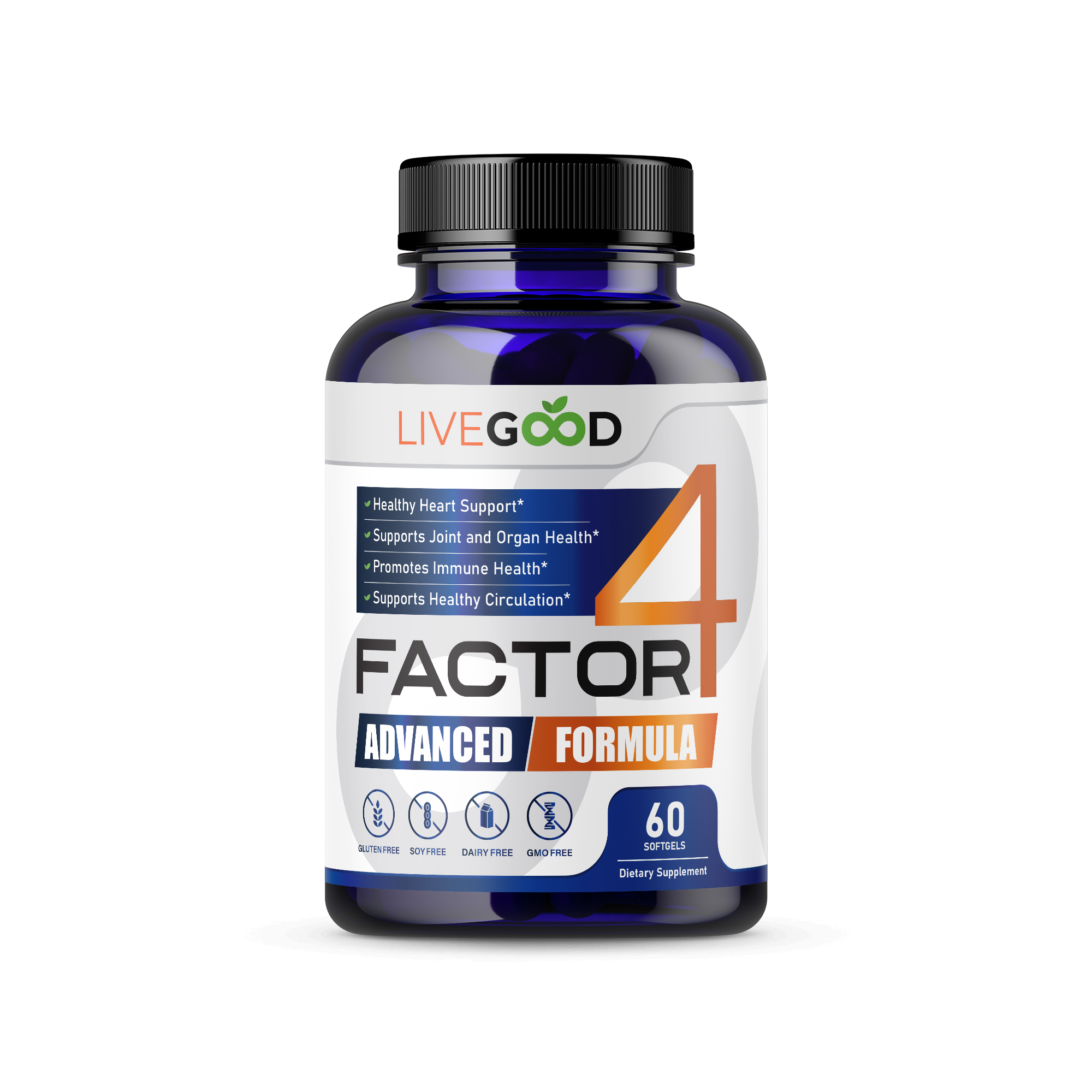
Ageless Renewal ingredients include copper gluconate (a copper peptide source), the "Botox-like" peptide Acetyl Hexapeptide-8, niacinamide, tranexamic acid, and mandelic acid for tone and texture, several forms of hyaluronic acid for hydration, and antioxidants like ubiquinone (CoQ10) and vitamin E. The label on this daily face serum is a standard cosmetic ingredient list (INCI), which by law does not have to disclose exact percentages, so this guide tells you what's confirmed to be in the formula, what each ingredient does, and what human studies show at the concentrations typically used in skincare.
Key takeaways
Ageless Renewal is a water-based serum built around copper peptides, a hexapeptide marketed as a topical alternative to Botox, and three brightening acids: niacinamide, tranexamic acid, and mandelic acid.
The label is an ingredient list, not a supplement facts panel with milligram amounts — cosmetic labels list ingredients in descending order by concentration, but exact percentages are proprietary.
Human research on GHK-copper peptides, Acetyl Hexapeptide-8 (Argireline), niacinamide, and tranexamic acid is real, but most positive trials used specific concentrations (often 3–10%) that this label doesn't disclose.
Hyaluronic acid appears in four different forms (sodium hyaluronate, high molecular weight, crosspolymer, and hydrolyzed), which is a legitimate way to hydrate multiple skin layers at once.
Most people tolerate this serum well, but anyone pregnant, on blood thinners, or with a history of clotting issues should ask a doctor before using tranexamic acid—containing products regularly.
Because copper and vitamin C can neutralize each other topically, the brand recommends alternating: vitamin C in the morning, this serum at night.

Every ingredient on the Ageless Renewal label
The table below lists every ingredient exactly as it appears on the label, in the order given (cosmetic ingredient lists are ordered from highest to lowest concentration). Because this is a topical serum rather than a swallowed supplement, there is no "amount per day" in milligrams — instead, "use" reflects how much serum is applied (1–2 pumps once or twice daily, per the label instructions).
Ingredient | Amount per serving | Typical use | What it's for |
|---|---|---|---|
Water, Glycerin, Hydrogenated Ethylhexyl Olivate, Saccharide Isomerate | Not disclosed (base of formula) | Applied with every use | Serum base, humectants, and skin-conditioning agents |
Hydroxyethyl Acrylate/Sodium Acryloyldimethyl Taurate Copolymer, Polyacrylate Crosspolymer-6 | Not disclosed | Applied with every use | Texture-building and thickening agents |
Phenoxyethanol, Caprylyl Glycol, Sorbic Acid, Benzoic Acid, Sodium Benzoate, 1,2-Hexanediol, Ethylhexylglycerin | Not disclosed | Applied with every use | Preservative system to keep the serum stable and free of microbial growth |
Hydrogenated Olive Oil Unsaponifiables | Not disclosed | Applied with every use | Emollient, skin-conditioning lipid fraction from olive oil |
Lactobionic Acid | Not disclosed | Applied with every use | Polyhydroxy acid (PHA); gentle surface exfoliant and antioxidant |
Mandelic Acid | Not disclosed | Applied with every use | Alpha-hydroxy acid; exfoliates and evens tone |
Niacinamide | Not disclosed | Applied with every use | Vitamin B3; brightening, barrier support, oil regulation |
Tranexamic Acid | Not disclosed | Applied with every use | Fades dark spots and discoloration |
Pentylene Glycol | Not disclosed | Applied with every use | Humectant and preservative booster |
Ubiquinone (CoQ10) | Not disclosed | Applied with every use | Antioxidant; supports cellular energy in skin cells |
Lecithin, 2-Methylpropanol | Not disclosed | Applied with every use | Emulsifying and solubilizing agents |
Sodium Acetylated Hyaluronate, Sodium Hyaluronate (High Molecular Weight), Sodium Hyaluronate Crosspolymer, Hydrolyzed Sodium Hyaluronate | Not disclosed | Applied with every use | Four forms of hyaluronic acid for multi-depth hydration |
Citric Acid, Sodium Citrate | Not disclosed | Applied with every use | pH balancing |
Carnosine | Not disclosed | Applied with every use | Antioxidant dipeptide; helps counter glycation of skin proteins |
Copper Gluconate | Not disclosed | Applied with every use | Copper source that forms copper-peptide complexes for collagen signaling |
Hamamelis Virginiana (Witch Hazel) Bark/Leaf/Twig Extract | Not disclosed | Applied with every use | Botanical astringent and antioxidant |
Magnesium Aspartate, Zinc Gluconate | Not disclosed | Applied with every use | Trace mineral cofactors for skin enzymes |
Vegetable Oil | Not disclosed | Applied with every use | Emollient |
Tocopherol (Vitamin E) | Not disclosed | Applied with every use | Fat-soluble antioxidant; supports barrier and shelf life |
Acetyl Hexapeptide-8 | Not disclosed | Applied with every use | "Botox-like" peptide that relaxes the look of expression lines |
Ascorbyl Tetraisopalmitate | Not disclosed | Applied with every use | Oil-soluble vitamin C ester; antioxidant, gentler than pure ascorbic acid |
Nonapeptide-1 | Not disclosed | Applied with every use | Signal peptide associated with skin brightening/pigment research |
Ingredient 1: Copper peptides (copper gluconate)
What copper peptides do in the skin
Copper peptides work by pairing a copper ion with a small chain of amino acids, most famously GHK-Cu, to create a signaling molecule the skin recognizes as a repair cue. Peptides are short chains of amino acids that act as messengers, signaling skin to carry out specific tasks. The mechanism is plausible because copper acts as a cofactor for enzymes involved in skin's repair and collagen processes. This is the biology behind the brand's claim that copper stimulates collagen and elastin and helps calm inflammation.
What the human research says
The strongest evidence for copper peptides comes from a mix of lab, animal, and small human studies. In a human trial comparing topical GHK-Cu to vitamin C and retinoic acid, GHK-Cu resulted in collagen increases in 70% of volunteers—outperforming both comparators. Multiple clinical trials have shown statistically significant improvements in skin firmness and elasticity with consistent use, and reduction in fine lines and wrinkle depth over 3-6 months of application, including a double-blind, placebo-controlled study by Leyden et al. That said, independent reviewers are careful to note the limits of this evidence: a lot of the evidence so far is in vitro or from small studies rather than large, controlled trials on real skin over time, and in vitro results don't automatically translate into visible results on your face. One patent filing focused on peptide formulation even flags a safety caveat worth knowing: copper is highly toxic and therefore not suitable for topical or subcutaneous uses at high concentrations — which is why cosmetic copper peptide products use copper at very low, bound concentrations rather than free copper.
How much is in this product
Copper appears here as copper gluconate, positioned in the ingredient list after the primary actives, which under INCI labeling rules suggests it's present at a modest concentration relative to water, glycerin, and the acids listed earlier. The label does not disclose an exact percentage, so it's not possible to say how it compares to the concentrations used in the clinical studies above. If you want to read more about how peptides and cellular signaling work more broadly, our piece on cellular energy and aging covers some of the same territory from a whole-body angle.
Ingredient 2: Acetyl Hexapeptide-8 (the "Botox-like" peptide)
What it does
Acetyl Hexapeptide-8, commercially known as Argireline, is designed to interrupt the chain of signals that tell facial muscles to contract. Argireline works by interfering with the SNARE complex formation, inhibiting the release of neurotransmitters responsible for muscle contraction. It is often referred to as a "botox-like" peptide for its potential to dynamically reduce wrinkles through the modulation of neuromuscular activity. In theory, fewer or weaker micro-contractions in expression lines (crow's feet, forehead lines) means those lines have less reason to deepen over time.
What the research says
Argireline has more human data than most cosmetic peptides, partly because the NIH has studied a related use for a genuine muscle disorder. In the original study, Argireline in a 10% oil/water emulsion was tested on 10 healthy females, with silicone imprints analyzed by confocal laser scanning microscopy. That trial found Argireline reduced wrinkle depth by up to 30% after four weeks of treatment without exhibiting toxicity, while the vehicle alone reduced wrinkle depth by up to 10%. A separate industry summary cites clinical trials showing a 27% reduction in periorbital wrinkle depth after just 30 days of twice-daily application. However, a 2025 scientific review is more cautious about the mechanism: due to its hydrophilic nature and relatively large molecular size, AH-8 faces limited permeability through the lipophilic stratum corneum, and its ability to reach neuromuscular junctions remains uncertain. The same review concludes that preclinical and clinical studies indicate AH-8 may reduce wrinkle depth, improve elasticity, and enhance hydration, but its low skin penetration limits its bioavailability and therapeutic potential. In plain terms: it likely helps some, mostly with texture and fine expression lines, but it isn't a drop-in replacement for injected botulinum toxin.
How much is in this product
Most published trials used 5–10% Argireline solutions blended into a base cream or serum. Ageless Renewal lists Acetyl Hexapeptide-8 near the end of its ingredient list, which under standard INCI ordering rules means it's present at a low concentration — typical for finished cosmetic peptide serums, since active peptides are usually pre-diluted before they're added to a formula and then used at fractions of a percent. The label doesn't give an exact number, so if a Botox-like effect is your main reason for buying, treat this as a slow, cumulative ingredient rather than an immediate one. If you want a faster, more visible tightening effect for a single occasion, the site's own Instant Youth serum is built for that same-day use case, while Ageless Renewal is meant for the slower, cumulative kind of change.
Ingredient 3: Niacinamide, tranexamic acid, and mandelic acid for tone
What each one does
These three work through different pathways but land on the same goal: more even skin tone. Niacinamide (vitamin B3) interrupts pigment transfer inside the skin. Niacinamide reduces hyperpigmentation through two mechanisms: inhibiting the transfer of melanosomes from melanocytes to keratinocytes, which limits how much pigment reaches the skin's surface, and reducing inflammation, which decreases the signal that triggers excess melanin production. Tranexamic acid works upstream of that, calming the inflammatory and vascular signals that trigger melanocytes in the first place; it's a synthetic lysine derivative originally developed to control bleeding. Mandelic acid is a larger-molecule alpha-hydroxy acid that gently exfoliates the surface, which helps built-up dead skin and existing discoloration slough off faster.
What the human research says
Niacinamide has some of the oldest and most consistent human data in skincare. In one clinical trial, 18 subjects with hyperpigmentation used a 5% niacinamide moisturizer versus a vehicle moisturizer, and niacinamide significantly decreased hyperpigmentation and increased skin lightness compared with vehicle alone after 4 weeks of use. Other reviewers note that most clinical research demonstrating niacinamide's baseline benefits uses concentrations between 2% and 5%, the range where efficacy has been most consistently proven. Tranexamic acid's evidence is strongest in oral and injected form for melasma, but topical use has been studied directly against it too. A head-to-head trial found that after 12 weeks, oral TXA reduced melasma severity scores by 58.86% and a 5% topical TXA cream applied twice daily reduced them by 50.88%, with the difference between the two being statistically insignificant. Topical tranexamic acid is generally considered gentler but slower than the oral route: topical TXA may lack the same level of efficacy as other methods of TXA, but it can be used in conjunction with other topical medications, making it a useful adjunctive treatment for melasma. Mandelic acid has less large-trial data specifically, but it's well established in dermatology as a gentler AHA option for sensitive or darker skin tones because its larger molecule size slows penetration and reduces irritation risk compared with glycolic acid.
How much is in this product
Published studies on niacinamide for pigmentation generally used 2–5% concentrations, and topical tranexamic acid studies commonly used around 3–5%. Ageless Renewal's label lists niacinamide and tranexamic acid in the middle of its ingredient order, after the acids and before the peptides and preservative-adjacent ingredients, which is consistent with — but doesn't confirm — a moderate percentage. Because the manufacturer doesn't publish the exact numbers, it's honest to say this serum uses research-backed ingredients without independently verified research-level doses. If uneven tone from sun damage or hormonal shifts is your main concern, you may also want to read about complementary options on the site's skin and beauty hub, and pair this serum with a gentle exfoliating step like the Herbal Radiance Enriched Toner to help actives penetrate.
Ingredient 4: Hyaluronic acid (four forms) and the antioxidant blend
What it does
Hyaluronic acid is a humectant that pulls in and holds onto water. In skincare, hyaluronic acid is celebrated for its ability to hold up to 1,000 times its weight in water, making it a superstar ingredient for hydration. Ageless Renewal uses four forms — sodium acetylated hyaluronate, high molecular weight sodium hyaluronate, a hyaluronate crosspolymer, and a hydrolyzed (low molecular weight) version — which is a deliberate formulation choice, since different molecular weights sit at different skin depths: larger molecules form a hydrating film on the surface, while smaller, hydrolyzed fragments can penetrate further into the epidermis. Unlike many other acids used in skincare, hyaluronic acid is not an exfoliant — it's purely about hydration and plumping.
The formula also carries an antioxidant trio: ubiquinone (CoQ10), tocopherol (vitamin E), and ascorbyl tetraisopalmitate (a fat-soluble vitamin C ester). CoQ10 is the standout here. CoQ10 is associated with improved skin health; it enhances mitochondrial function and acts as an antioxidant, which may help protect against UV damage, improve skin elasticity, and reduce wrinkles. Clinical studies show that after 4 weeks of treatment, with visible results even after just 2 weeks, there were improvements in facial wrinkle depth, neck creases, and increased skin elasticity. Carnosine, a dipeptide antioxidant further down the list, is included largely for its role countering glycation, the process by which sugar molecules stiffen collagen fibers over time.
What the research says, honestly
CoQ10's biggest formulation challenge is getting it into skin at all. CoQ10 is an insoluble, poorly permeable antioxidant with great biological value which acts as an anti-aging and anti-wrinkle agent — meaning results depend heavily on how well a given formula delivers it, not just whether it's on the label. Reviewers summarize the human evidence as modest but real: human data are more modest, with one small study finding reduced wrinkle depth around the eyes after topical CoQ10 use over several months.
How much is in this product
Hyaluronic acid and CoQ10 appear in the middle-to-later portion of the ingredient list, which for a water-based serum is a normal placement for supporting hydrators and antioxidants rather than headline actives. As with the other ingredients, the brand does not publish exact percentages for either.
How to use Ageless Renewal correctly
Apply 1–2 pumps to clean, dry skin and gently pat it in rather than rubbing, which helps the lightweight formula absorb without dragging on the skin. It can be used on the face or other areas showing fine lines, but should be kept away from the eyes. Many people build it into a nightly routine, since the brand's own guidance is to pair vitamin C in the morning with this copper-and-peptide serum at night, because copper peptides and strong vitamin C can partially cancel each other out when layered together. For daytime, follow with a broad-spectrum sunscreen, since none of these active ingredients — niacinamide, tranexamic acid, mandelic acid, or the peptides — replace sun protection, and unprotected UV exposure will work against everything this serum is trying to do. Texture and glow-related changes are usually the first thing people notice, typically within a few weeks, while fine-line softening tends to take two to three months of consistent nightly use to become visible, in line with how slowly collagen and peptide-driven changes appear in the clinical literature above. You can get it here if you want to start a nightly routine, and if you're not sure how a serum like this fits into your broader skincare or supplement routine, the site's free AI health assessment can help you map out a plan based on your skin, sleep, and diet.
Who should check with a doctor first
Anyone pregnant or breastfeeding — tranexamic acid is an antifibrinolytic drug in its oral and injected forms, and while topical use in tiny cosmetic amounts is different, it's reasonable to ask an OB before adding it to a routine.
People with a history of blood clots, stroke, or clotting disorders — tranexamic acid works by inhibiting plasmin, part of the clotting cascade; oral and injected forms carry documented clotting risk, so anyone with this history should mention it to a doctor even for topical products.
Anyone with Wilson's disease or a copper metabolism disorder — since this serum includes a copper peptide ingredient, people who are told to avoid copper exposure should check with their physician first.
People with very reactive or eczema-prone skin — the formula includes several acids (lactobionic, mandelic, citric) that, while generally gentle, can still cause irritation, tingling, or redness in compromised skin barriers.
Anyone using prescription retinoids, other AHAs/BHAs, or benzoyl peroxide — layering multiple actives can increase irritation; a dermatologist can help sequence products to avoid over-exfoliating.
Frequently asked questions
What do copper peptides actually do for skin?
They pair copper with a peptide to signal skin cells to ramp up collagen and elastin production and calm inflammation, which is why copper peptides show up in many long-term anti-aging routines rather than one-time treatments.
How long until I see results from Ageless Renewal?
Texture and glow typically improve within a few weeks of nightly use, while visible softening of fine lines generally takes two to three months of consistent, daily application, matching the timelines seen in peptide and niacinamide clinical trials.
Is Acetyl Hexapeptide-8 really a Botox alternative?
It works through a different, gentler mechanism than injected botulinum toxin, and some human trials show real wrinkle-depth reduction, but researchers note its ability to reach the neuromuscular junction through topical application is still not fully proven, so expect a milder, slower effect rather than a Botox replacement.
Can I use this serum with vitamin C?
You can, but it's better to separate them — use a vitamin C product in the morning and this copper-peptide serum at night, since high concentrations of vitamin C and copper peptides can interact and reduce each other's effectiveness when layered together.
Should I choose Ageless Renewal or Instant Youth?
Instant Youth is designed for a same-day, temporary tightening effect around the eyes and face for a specific event, while Ageless Renewal is a daily serum meant to build gradual changes in collagen, tone, and hydration over weeks to months; some people use both for different purposes.
Does the label show exact ingredient percentages?
No. Like most cosmetic products, Ageless Renewal's label is an INCI ingredient list ordered by concentration from highest to lowest, but it does not disclose exact percentages, so comparisons to clinical-trial doses can only be approximate.
Sources
Regenerative and Protective Actions of the GHK-Cu Peptide (PMC)
Acetyl Hexapeptide-8 in Cosmeceuticals: A Review of Skin Permeability and Efficacy (MDPI)
Investigating the Effects of Argireline on Skin Surface Wrinkles (Publisso)
The Effect of Niacinamide on Reducing Cutaneous Pigmentation (PubMed)
Randomized Trial: Oral vs. Topical Tranexamic Acid in Melasma (PMC)
This article is for education and is not medical advice.
Share this