How the Human Kidney Works: Anatomy, Function, and How to Support Kidney Health

Your kidneys are two bean-shaped organs, each about the size of a fist, that filter your entire blood supply roughly 40 times a day, removing waste, balancing fluids and electrolytes, and producing hormones that control blood pressure and red blood cell production. Each kidney contains about one million microscopic filtering units called nephrons, and together they process around 180 liters of blood-derived fluid daily while reabsorbing more than 99 percent of the water and nutrients your body needs. Understanding this system helps explain why simple habits like hydration, blood pressure control, and limiting excess sodium and NSAIDs matter so much for long-term health.
Each kidney weighs about 120–160 grams and contains roughly 1 million nephrons, the functional filtering units.
Normal kidney filtration (GFR) is about 90–120 mL/min/1.73 m² in healthy young adults, and it naturally declines with age.
Diabetes and high blood pressure cause about 3 out of 4 new cases of kidney failure in the United States.
Chronic kidney disease often has no symptoms until function has already dropped significantly, so blood and urine tests are the only reliable early warning.
Staying well hydrated, limiting sodium, and being cautious with long-term NSAID use are among the most practical, evidence-backed ways to protect kidney function.
What do the kidneys actually do?
The kidneys sit against the back muscles of the posterior abdomen, one on each side of the spine, and their main job is filtration: pulling waste products, excess minerals, and extra fluid out of the blood and turning them into urine. But filtration is only part of the story. The kidneys also regulate the body's fluid balance, keep electrolytes like sodium and potassium in a safe range, maintain the acid-base balance of the blood, and produce hormones. Two of the most important are erythropoietin, which signals bone marrow to make red blood cells, and renin, which helps regulate blood pressure. They also activate vitamin D into its usable form, which is why chronic kidney disease can eventually weaken bones.
How does blood actually get filtered? The nephron explained
The functional unit of the kidney is the nephron, and each kidney contains roughly one million of them. Blood enters a nephron through a tiny tangle of capillaries called the glomerulus, which sits inside a cup-shaped structure called Bowman's capsule. The glomerular filtration rate (GFR) is considered the most important assessment of kidney function, and in clinical practice the total GFR is the sum of all the single-nephron GFRs. From the glomerulus, filtered fluid travels through the proximal tubule, the loop of Henle, and the distal tubule, where the kidney reclaims the water, glucose, and minerals the body still needs and dumps the rest into the collecting system as urine, which drains through the renal pelvis and ureter to the bladder.
Nephron number varies a surprising amount between people. Studies that have counted glomeruli at autopsy have shown considerable variation in the number of nephrons, from 210,000 to 2,700,000 nephrons per kidney, due to both how many you were born with and how many you've lost over a lifetime. This is one reason two people can have very different "kidney reserve" even with normal-seeming lab results.
What is GFR and why does it matter?
Normal GFR varies according to age, sex, and body size; in young adults it is approximately 120 mL/min/1.73 m² and declines in normal individuals with age. Doctors typically estimate this using a blood test called eGFR rather than measuring it directly. An average eGFR varies by age, but in younger adults who are considered healthy, a range of 80–120 mL/min/1.73 m² is generally normal. As kidney function declines, this number drops, and a healthcare provider may diagnose chronic kidney disease if your eGFR stays below 60 for three months. CKD StageeGFR range (mL/min/1.73 m²)What it generally means Stage I90 or higherKidneys still work normally, but there may be mild damage. Stage II60–89Kidney function loss is mild, with kidneys still working well. Stage IIIa45–59The loss of kidney function may be mild to moderate. Stage IIIb30–44Kidney function loss is moderate to severe. Stage IV15–29Severe loss of kidney function. Stage VBelow 15Kidneys are close to or at complete failure.
What raises the risk of kidney damage?
Two conditions dominate the picture. Approximately 1 in 3 adults with diabetes has chronic kidney disease, and about 1 in 5 adults with high blood pressure has CKD. The mechanism is straightforward: high blood sugar from diabetes can damage blood vessels in the kidneys and nephrons so they don't work well, while high blood pressure can make blood vessels narrower, reducing blood flow, which over time weakens blood vessels throughout the body, including in the kidneys.
Other well-established risk factors include heart disease or heart failure, obesity, a family history of kidney disease, being over age 60, and long-term use of NSAID pain relievers. People are more at risk if they are over 60 years old or have a long history of taking NSAID pain relievers, including over-the-counter products and some prescription pain relievers. This is one reason people managing chronic joint pain or inflammation may want to explore options covered in our guide on joint and pain support rather than relying solely on daily NSAIDs, and to talk with a doctor about safer long-term strategies.
The frustrating part of kidney disease is that it's often silent. Most people living with CKD do not feel any symptoms in the early stages, and the only way to know if you have CKD is to get tested. When symptoms do show up, they can include feeling more tired than usual, not feeling like eating, peeing more than usual, trouble sleeping or focusing, and muscle cramps, itchy skin, or swollen feet and ankles. If any of these sound familiar, it's worth reading our related piece on when your nerves can't get their message through, since nerve symptoms like tingling can sometimes overlap with metabolic and kidney-related issues, and worth discussing with your own doctor.
What about kidney stones?
Kidney stones are solid deposits that develop in the kidneys when there is a high concentration of certain minerals and salts in the urine, and they can cause severe pain when leaving the body. One of the main risk factors for kidney stones is inadequate hydration. The National Kidney Foundation's general guidance is straightforward: hydrate with water, staying well hydrated especially during exercise or sweating, aiming for 2–3 quarts of liquid, or 8–12 cups, per day to produce a good amount of urine. A large NIH-funded trial called PUSH is currently testing whether smart water bottles and hydration coaching can meaningfully cut stone recurrence, underscoring just how central hydration is to prevention. If you struggle to hit fluid and electrolyte targets, especially in hot weather or after workouts, our Hydration Amplifier electrolyte mix is designed to support proper fluid balance without excess sugar — you can get it here.
What foods and habits actually support kidney health?
For people with healthy kidneys, there's no single miracle food, but there's a clear pattern in the research. Eating plenty of whole foods such as vegetables, whole grains, and fish, watching protein intake, and drinking plenty of water are excellent habits for healthy kidneys. Limiting sodium matters because too much can raise blood pressure, which over time causes blood vessels throughout the body — including in the kidneys — to narrow and eventually weakens them; the general target is no more than 2,300 mg of sodium per day.
Specific foods that repeatedly show up on kidney-friendly lists include berries, red bell peppers, and fish. The best food for kidney health includes berries, red bell peppers and fish. Fatty fish and olive oil are favored because healthy fats support heart health, and since cardiovascular problems can affect kidney function, healthy fats help protect both heart and kidneys. Whole grains like oats, quinoa, and barley are useful too, since they are packed with fiber and nutrients, helping balance blood sugar and cholesterol while supporting overall kidney function.
If you already have kidney disease, this general advice does not apply as-is. A renal diet becomes increasingly more restrictive as kidney function declines, starting with limiting salt and protein, and requires careful control of sodium, potassium, and phosphorus. Anyone with a CKD diagnosis should work with a nephrologist or renal dietitian rather than following generic diet advice. Our broader guides on detox diets and sensible detox and cleansing are written for generally healthy people and are not substitutes for a renal diet.
How the kidneys connect to the rest of the body
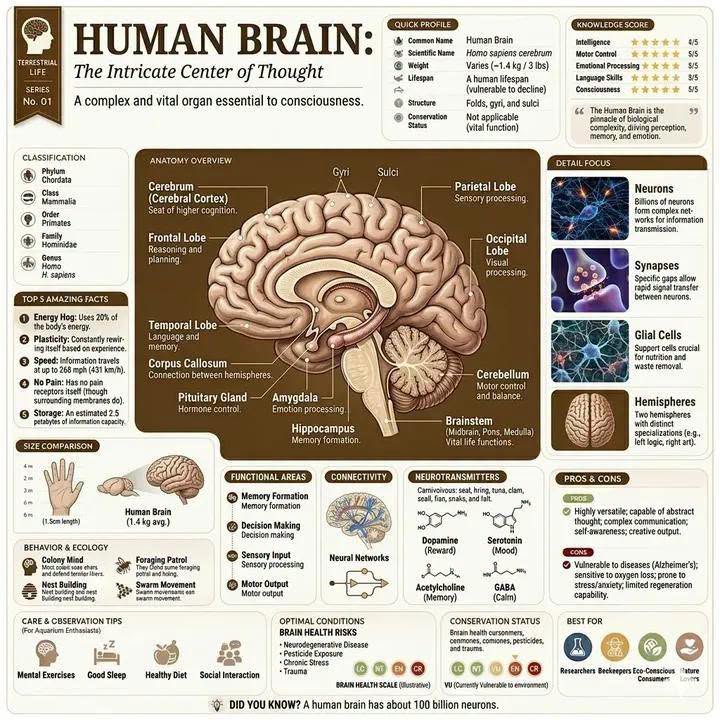
The kidneys don't work in isolation. Their hormone output affects the brain, bones, and cardiovascular system, and problems elsewhere in the body — like blood sugar swings or chronic inflammation — show up as kidney strain over time. If you're building a full picture of how your organ systems interact, our guide to how the human brain works covers a similarly detailed anatomy breakdown, and our guide to blood sugar supplements is directly relevant given how tightly diabetes and kidney health are linked. For a data-driven look at where your own habits stand, the free AI health assessment can help flag areas — sleep, diet, activity, supplements, or bloodwork — worth discussing with a healthcare provider.
Supplements people ask about for kidney and overall filtration support
No supplement replaces medical care for kidney disease, but several fit into a general wellness routine that supports the systems kidneys depend on. A daily multivitamin such as the Bio-Active Complete Multi-Vitamin for Men or the version for women with iron helps cover baseline nutrient gaps. Because magnesium plays a role in blood pressure and fluid regulation, some people use Ultra Magnesium Complex as part of a broader plan — our earlier piece on magnesium glycinate and gluconate goes deeper on that topic. For those focused on liver and detox pathways that work alongside kidney filtration, Liver Support combines milk thistle, NAC, and turmeric.
Frequently asked questions
How much water should I drink for kidney health?
There's no single number that fits everyone, but general fluid guidance for stone prevention suggests drinking 2–3 quarts of liquid, or 8–12 cups per day, to produce a good amount of urine. People with existing kidney disease often need a different, more individualized fluid target set by their care team, since liquid needs may need to be adjusted depending on kidney function, and a dietitian or health care professional can help determine the right amount.
What are the earliest signs of kidney trouble?
Often there are none. Most people living with CKD do not feel any symptoms in the early stages, and the only way to know if you have CKD is to get tested. When symptoms do appear, they tend to include fatigue, loss of appetite, changes in urination, trouble concentrating, and swelling in the feet or ankles.
Can NSAIDs like ibuprofen damage the kidneys?
Regular long-term use is a recognized risk factor. A long history of taking NSAID pain relievers, including over-the-counter products and some prescription pain relievers, raises the risk for chronic kidney disease. Occasional use for a headache is different from daily use for chronic pain — talk to a doctor if you rely on NSAIDs regularly.
What two tests check for kidney disease?
Two simple lab tests together give the clearest picture. Both tests are needed to have a clear picture of kidney health: having an eGFR under 60 and/or a uACR over 30 for three months or more is a sign you may have kidney disease. The eGFR estimates filtration rate from a blood sample, while the uACR checks urine for albumin, a protein that shouldn't normally leak through healthy kidneys.
Does eating a lot of protein hurt healthy kidneys?
For people with normal kidney function, moderate protein intake isn't inherently dangerous, but very high intakes make the kidneys work harder. Excess protein produces waste that needs to be removed by the kidneys, so eating more protein than you need may cause your kidneys to work harder. This becomes a much bigger concern for people who already have reduced kidney function, who typically need a lower-protein approach guided by a dietitian.
How many nephrons does a kidney have, and does it matter if I have fewer?
The textbook figure is about one million nephrons per kidney, but actual counts vary enormously between individuals. Studies counting glomeruli at autopsy have shown nephron numbers ranging from 210,000 to 2,700,000 per kidney, influenced by both birth factors and lifetime nephron loss. People born with fewer nephrons may have less reserve capacity, which is one more reason protecting the nephrons you have — through blood pressure control, hydration, and avoiding unnecessary kidney stressors — matters over a lifetime.
This article is for education and is not medical advice.
Sources
National Kidney Foundation: Estimated Glomerular Filtration Rate (eGFR)
National Kidney Foundation: Risk Factors for Chronic Kidney Disease
National Kidney Foundation: Kidney Stone Diet Plan and Prevention
NIDDK: Healthy Eating for Adults with Chronic Kidney Disease
New England Journal of Medicine: Single-Nephron GFR in Healthy Adults
Share this