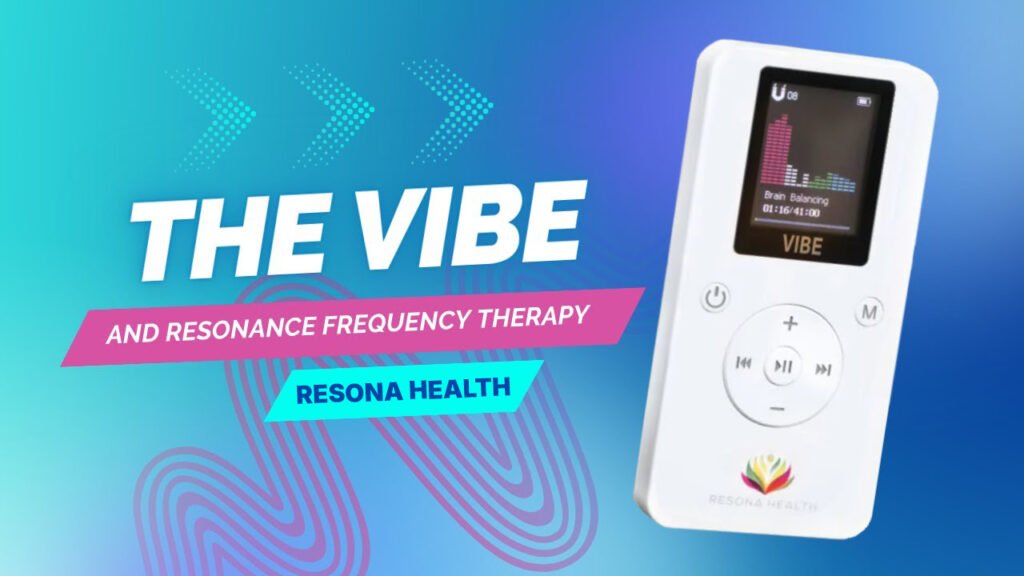

Understanding Resonance Frequency Therapy (RFT)
Resonance Frequency Therapy (RFT) represents a groundbreaking approach to wellness that harnesses the power of vibrational healing. At its core, RFT operates on the principle that every living organism is made up of energy and vibrates at specific frequencies. These frequencies can be influenced positively or negatively by various external forces, including environmental factors and emotional states. The concept of RFT is rooted in the understanding that restoring balance to these frequencies can promote overall health and wellbeing.
The devices used in RFT emit particular frequencies that are designed to resonate with the body’s own natural vibrations. When these frequencies are applied, they can facilitate the body’s healing mechanisms, encouraging a state of relaxation and facilitating recovery from various ailments. The therapeutic effects of resonance frequency therapy have been documented in numerous studies, demonstrating its potential in pain relief, stress reduction, and improved overall health.
The historical context of resonance frequency therapy dates back to ancient healing practices where sound and vibration were employed as therapeutic tools. Cultures such as the Egyptians and Greeks recognized the importance of vibrational frequencies in healing and used various forms of sound therapy in their medicinal practices. In modern times, RFT has evolved and has become integrated into holistic health practices as an alternative therapy. The emergence of advanced technology has further propelled this therapy into the limelight, allowing practitioners to utilize sophisticated devices that can accurately deliver resonance frequencies tailored to individual needs.
In essence, resonance frequency therapy combines the wisdom of traditional healing with contemporary scientific understanding, providing a comprehensive method to enhance physical and mental health. As interest in RFT grows, it continues to show promise as a viable pathway to improved wellness through the modulation of vibrational energies.
The Benefits of RFT Devices
Resonance frequency therapy (RFT) devices have gained attention due to their reported ability to significantly enhance wellness through vibrational healing. Users across various demographics have shared their experiences, often highlighting improved comfort as one of the primary benefits. Many individuals suffering from chronic discomfort or tension have noted a remarkable reduction in their symptoms following the use of these innovative devices. The technology behind RFT is designed to foster a state of relaxation, allowing users to experience relief from physical strain and discomfort in a gentle, non-invasive manner.
In addition to alleviating discomfort, RFT devices are also associated with reduced tension, which can be particularly beneficial for those who lead high-stress lifestyles. As users integrate resonance frequency therapy into their wellness routines, they commonly report an enhanced ability to manage stress and anxiety. This reduction in tension not only promotes physical relaxation but also supports mental clarity and emotional stability, resulting in an overall improvement in quality of life.
Moreover, users of RFT devices frequently observe enhanced energy levels, which can be attributed to improved circulation and cellular function. Many individuals feel a boost in vitality and motivation after sessions with the resonance frequency therapy devices, allowing them to engage more fully in daily activities. This increase in energy can be transformational, empowering individuals to pursue hobbies, exercise, or social engagements with renewed enthusiasm.
Overall, the benefits reported by users of RFT highlight its potential to transform both physical and mental health. From improved comfort and reduced tension to elevated energy levels, resonance frequency therapy appears to play a vital role in fostering an enhanced sense of wellness. As testimonials continue to emerge, it becomes evident that RFT devices are making a positive impact on users’ lives, validating the importance of vibrational healing in contemporary health practices.
How to Incorporate RFT into Your Wellness Routine
Integrating resonance frequency therapy (RFT) into your daily wellness routine can yield significant benefits when approached thoughtfully. To embark on this journey, it is essential first to identify the appropriate resonance frequency therapy device that suits your needs. Various devices are available on the market, ranging from handheld devices to full-body systems. When selecting a device, consider factors such as the specific health goals you wish to achieve, ease of use, and the credibility of the manufacturer. Ensure that the device you choose is backed by scientific research and customer testimonials.
Once you have selected a suitable RFT device, establishing a daily routine is fundamental. For beginners, it is advisable to start with shorter sessions of 10 to 15 minutes. As your body acclimates to the therapy, you can gradually extend the duration to 20 or 30 minutes per session. Consider incorporating RFT sessions into your morning or evening routine to promote restful sleep or prepare for the day’s challenges. Consistency is crucial; aim for at least three to five sessions per week to maximize the benefits of resonance frequency therapy.
Additionally, you may find that complementing RFT with other relaxation techniques enhances its effectiveness. Practices such as deep breathing, meditation, and gentle yoga can provide a holistic approach to wellness, integrating both physical and mental wellbeing. Maintaining a balanced diet, regular physical activity, and adequate hydration further supports your body’s natural healing processes. By combining these lifestyle changes with resonance frequency therapy, you create a synergistic effect that promotes greater overall health.
The Future of Resonance Frequency Therapy
Resonance frequency therapy (RFT) is increasingly gaining traction within the wellness community, presenting a promising future for holistic health approaches. Ongoing research is uncovering the therapeutic potential of vibrational healing, highlighting its possible applications across various medical fields. As scientists delve deeper into the cellular responses elicited by specific frequencies, we may witness further validation of resonance frequency therapy in improving health outcomes.
Technological advancements play a crucial role in the evolution of RFT. Innovative devices capable of delivering precise frequencies are being developed, allowing for personalized treatment tailored to individual needs. Such innovations may include portable devices for home use, expanding access to resonance frequency therapy for a broader audience. This personalization can substantially enhance patient engagement and improve overall effectiveness.
The growing interest in holistic health further supports the acceptance of resonance frequency therapy within mainstream medicine. As healthcare paradigms shift towards more integrative models, RFT may become a common component in wellness plans. Healthcare professionals increasingly recognize the impact of mental and emotional well-being on physical health, leading to a more comprehensive understanding of patient care. In this context, resonance frequency therapy can serve as a complementary approach, providing benefits that traditional methods alone may not achieve.
Moreover, educational initiatives focused on the benefits and techniques of RFT can advance acceptance in clinical settings. By increasing knowledge and awareness, medical professionals may better appreciate its potential role in patient treatment plans. Continued dialogue among practitioners, researchers, and patients about the efficacy of resonance frequency therapy will be critical in shaping its future adoption.
In conclusion, the potential for resonance frequency therapy in redefining wellness is vast. As research progresses and technology evolves, RFT is poised to play a transformative role in holistic health, paving the way for a more integrated approach to healthcare.