How the Human Heart Works: Anatomy, Beats Per Lifetime, and How to Keep It Strong
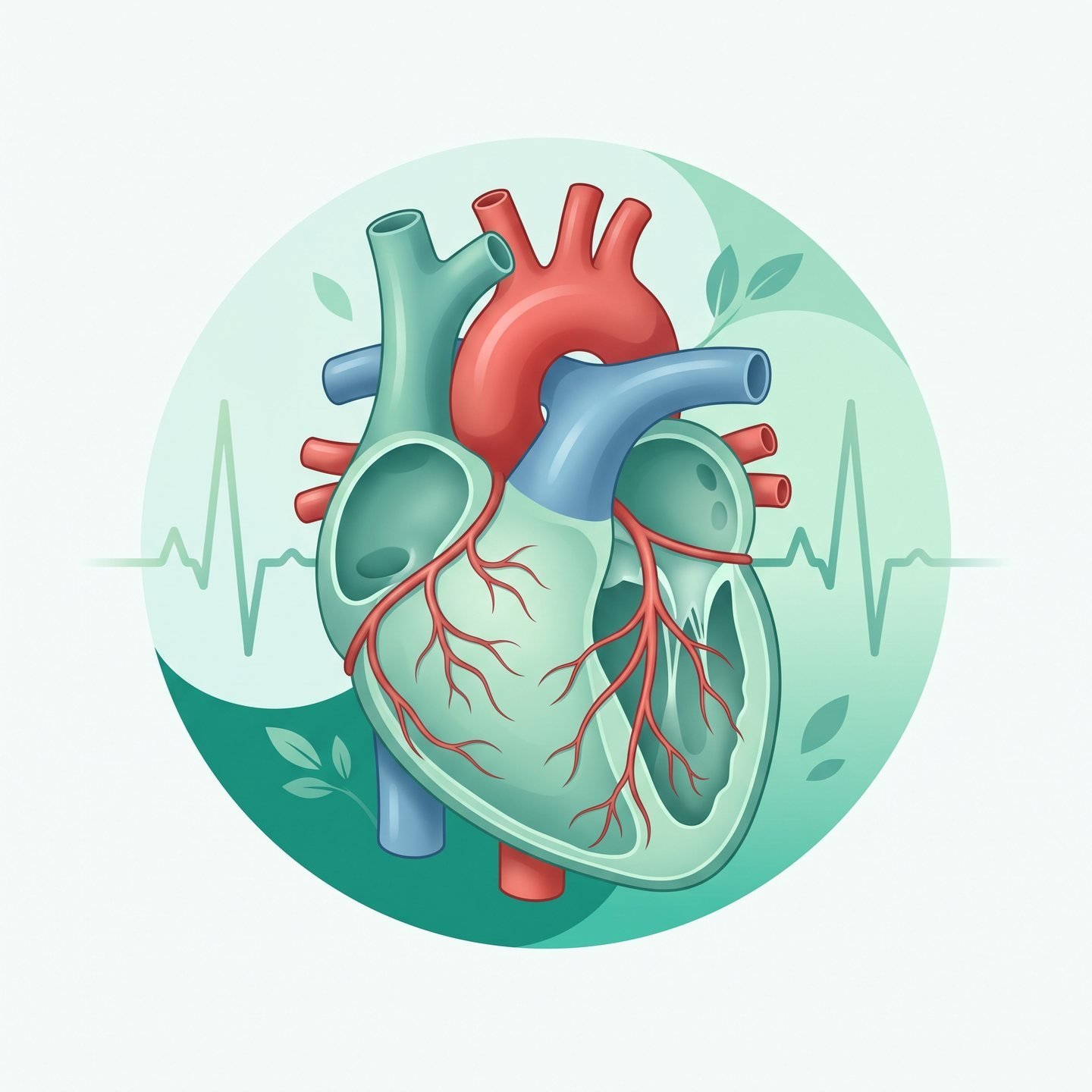
The human heart is a fist-sized muscular pump, roughly 250–350 grams, that beats about 100,000 times a day and an estimated 2.5 to 3 billion times over an average lifetime, moving nearly 2,000 gallons of blood daily through a 60,000-mile network of blood vessels. It runs on its own internal electrical system, the sinoatrial node, so it keeps beating even without any input from your brain. Understanding how it works — and what actually helps or hurts it — is the first step toward protecting it for decades to come.
Key Takeaways
An adult heart weighs about 250–350 grams, is roughly the size of two clasped fists, and sits in the chest between the lungs.
At a typical resting rate, the heart beats around 100,000 times a day and about 2.5–3 billion times over a 70–80 year life.
The heart has four chambers (two atria, two ventricles) and four valves that keep blood flowing in one direction.
A cluster of cells called the sinoatrial (SA) node acts as the heart's natural pacemaker, generating its own electrical signal independent of the nervous system.
The 2026 ACC/AHA dyslipidemia guideline now recommends checking Lp(a) at least once in every adult's lifetime and using the newer PREVENT risk equations starting at age 30.
Diet, activity, sleep, blood pressure, blood sugar, cholesterol, weight, and not smoking make up the AHA's "Life's Essential 8" — the eight levers with the most influence over heart health.
What Does the Heart Actually Do?
The heart's only job is to move blood — carrying oxygen, nutrients, and hormones out to every cell, and carrying carbon dioxide and waste back for disposal. It does this with two side-by-side pumps working in sync: the right side sends oxygen-poor blood to the lungs, and the left side sends oxygen-rich blood out to the body. With each beat, 55 to 80 milliliters of blood are pushed from the right and left atria through valves to the right and left ventricles, and then out to the lungs and other parts of the body.
The Four Chambers and Four Valves
The heart's structure follows a simple logic: two receiving chambers (atria) on top, two pumping chambers (ventricles) on the bottom, with one-way valves between them. The heart has four chambers, two atria and two ventricles on either side. Blood flows in through the vena cava into the right atrium, through the tricuspid valve into the right ventricle, out through the pulmonary valve to the lungs, back through the pulmonary vein into the left atrium, through the mitral valve into the left ventricle, and finally out through the aortic valve into the aorta to the rest of the body. The beating sound from your heart — lub-dub, lub-dub, lub-dub — is from the clap of valve leaflets opening and closing.
The Heart's Built-In Electrician: The Conduction System
Unlike most muscles, the heart doesn't wait for a signal from the brain to contract. The heart itself has a natural pacemaker, the sinoatrial node, which does not need a nervous supply to function — if you sever all the nerves to the heart, it will continue to beat. Among the major elements in the cardiac conduction system are the sinus node, atrioventricular node, and the autonomic nervous system, with the sinus node serving as the heart's natural pacemaker, a cluster of cells situated in the upper part of the wall of the right atrium. The signal spreads from the SA node across the atria, pauses briefly at the AV node, then races down specialized fibers into the ventricles so all four chambers contract in the correct order. This is also why an implanted pacemaker device can take over the job if the heart's own electrical system misfires — a mechanical mimic of a system nature already built.
How Big Is the Heart, and How Fast Does It Beat?
An adult heart typically weighs between about 250 and 350 grams and fits roughly within a clenched fist, with average male hearts nearer the upper end around 300 g while average female hearts often measure closer to 250 g. The heart measures about 12 x 8.5 x 6 cm.
The average resting heart rate for an adult is 60 to 100 beats per minute. That range multiplies into a genuinely staggering lifetime workload. A human heart beats roughly 100,000 times per day, totaling about 36.5 million beats annually and 2.5 to 3 billion over 80 years. Each minute, your heart pumps nearly 1.5 gallons (5.7 liters) of blood — a flow rate that could fill an Olympic-sized swimming pool in less than a year. Under exertion that output climbs dramatically: while the heart of an adult sitting on the couch moves between 5 and 6 liters of blood every minute, an elite athlete in a 100-meter dash might pump up to 35 liters in that time.
Heart Facts at a Glance
Measure | Typical value |
|---|---|
Weight | 250–350 g (roughly a clenched fist) |
Resting heart rate | 60–100 beats per minute |
Beats per day | ~100,000 |
Beats per lifetime | ~2.5–3 billion |
Blood pumped per day | ~2,000 gallons |
Cardiac output at rest | 5–6 liters per minute |
Cardiac output, max effort | Up to 35 liters per minute (trained athlete) |
What Wears the Heart Down Over Time?
Cardiovascular disease remains the leading cause of death worldwide, and most of the damage builds slowly through a handful of well-understood pathways: high LDL cholesterol and other atherogenic particles depositing in artery walls, chronically elevated blood pressure straining the heart muscle and vessels, high blood sugar damaging blood vessel linings, and inflammation accelerating all of the above. The infographic's own "cons" — susceptibility to disease, often-permanent damage, and sensitivity to lifestyle choices — reflect exactly what cardiologists see in practice.
What's New in Cardiovascular Risk Guidance
Cardiology guidelines were substantially updated recently. The 2026 guideline is retitled the Guideline on the Management of Dyslipidemia to reflect the evolving understanding of ASCVD risk associated with atherogenic lipoproteins beyond LDL cholesterol, including triglyceride-rich remnant particles and lipoprotein(a). Two changes matter most for everyday readers:
Doctors are now encouraged to use the newer AHA PREVENT equations instead of the older Pooled Cohort Equations for 10- and 30-year risk assessment in adults aged 30 to 79.
The guideline recommends Lp(a) measurement at least once in every adult's lifetime, as it has emerged as a prevalent and consistent marker of ASCVD risk, checked once during your lifetime.
If you haven't had your Lp(a) checked, it's worth asking your doctor about at your next physical — it's typically a one-time test that adds real information a standard cholesterol panel misses.
What Actually Supports Heart Health? The "Life's Essential 8"
The American Heart Association distills decades of cardiovascular research into eight measurable factors. This presidential advisory introduces an enhanced approach to assessing cardiovascular health called Life's Essential 8, whose components include diet, physical activity, nicotine exposure, sleep health, body mass index, blood lipids, blood glucose, and blood pressure. Each factor is scored on a scale of 1 to 100 and used to generate a composite cardiovascular health score.
In practice, that breaks down into habits most people already know but underrate:
Diet: more vegetables, fruit, whole grains, fish, and legumes; less sodium, added sugar, and processed meat.
Movement: the AHA-cited target is 150 minutes of activity weekly, alongside Mediterranean- or DASH-style meals, for big preventive effects.
Sleep: consistent, adequate sleep is now its own scored metric, not an afterthought.
Not smoking or vaping.
Healthy weight, blood pressure, blood sugar, and cholesterol — checked regularly rather than assumed.
If you want a structured way to see where your own numbers and habits stand, the free AI health assessment walks through sleep, diet, activity, and supplement use and returns personalized suggestions rather than generic advice.
Where Nutrients and Supplements Fit In
No supplement replaces the basics above, but a few have real trial evidence behind them for specific pieces of heart health:
Omega-3s (EPA/DHA): the cardioprotective effect of EPA and DHA is most likely due to beneficial modulation of blood lipids, blood pressure, heart rate and heart rate variability, platelet aggregation, endothelial function, and inflammation. In blood pressure studies specifically, after 2 months of supplementation, both systolic and diastolic blood pressure decreased by 4–5 mm Hg in both hypertensive and normotensive subjects taking fish oil. Most research uses 1–2 grams of combined EPA and DHA per day, and Cedars-Sinai researchers caution that taking more than one gram of fish oil per day is something you should only do following your doctor's advice.
CoQ10: it plays a crucial role in energy production within cells, particularly in the heart, which has high energy requirements, and a landmark study found CoQ10 supplementation reduced cardiovascular mortality by 43% in patients with moderate to severe heart failure. This is a heart-failure-specific finding, not a claim it prevents disease in healthy people.
Magnesium: involved in normal heart rhythm and blood pressure regulation, and covered in more depth in our guide to magnesium glycinate and gluconate benefits.
For a combined approach, Factor4 – Advanced Inflammation Management pairs fish oil, turmeric, CoQ10, and garlic in one softgel — four ingredients with a long track record for everyday inflammation and heart support, rather than relying on a single nutrient. You can get it here if you want to try a combined formula instead of stacking separate bottles. If your main concern is steady blood flow and circulation, Organic Super Reds uses beet and berry extracts that support nitric oxide production, which is popular with people focused on blood flow.
How the Heart Connects to the Rest of the Body
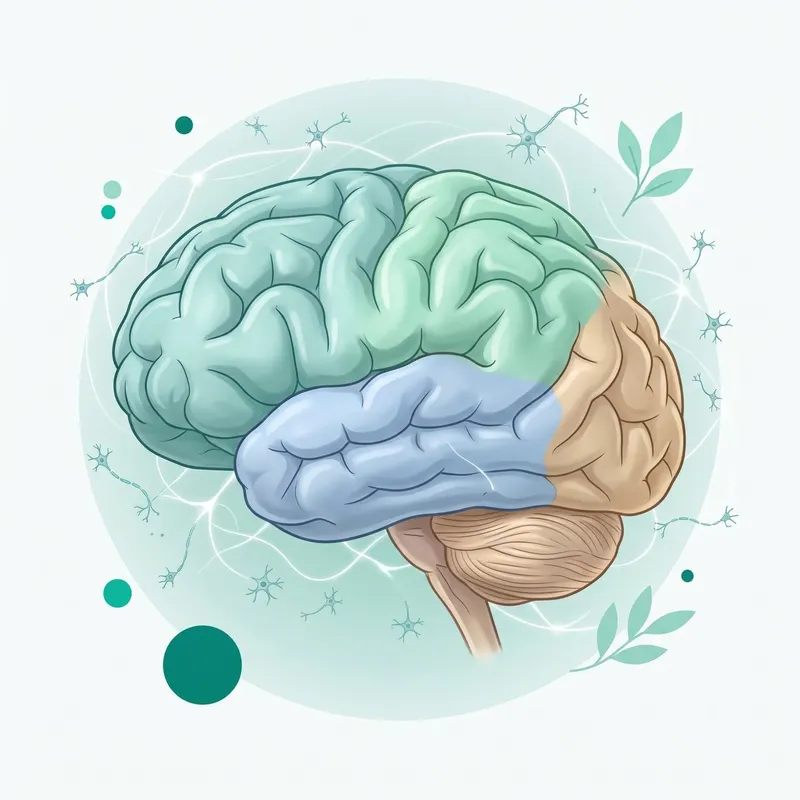
The heart doesn't work in isolation. It's wired to the autonomic nervous system through the vagus nerve, which helps slow the heart rate and promote recovery after stress — a relationship explored further in our piece on the vagus nerve and the body's hidden potential. It also shares risk factors and blood supply concerns with the brain; both organs suffer when blood vessels stiffen or narrow, which is part of why our guide to how the human brain works overlaps so much with heart health advice. And because chronic stress raises heart rate and blood pressure, tools that support nervous system balance — such as the topics covered in our PEMF therapy hub — are often discussed alongside traditional cardiovascular care, though PEMF should be viewed as a wellness tool alongside, not a replacement for, medical treatment of heart conditions.
For a broader view of what supports circulation day to day, the Heart & circulation goal page rounds up products and habits organized specifically around that question.
Frequently Asked Questions
How many times does the heart beat in an average lifetime?
Estimates commonly cite somewhere between 2.5 and 3 billion beats over a 70- to 80-year lifespan. A human heart beats roughly 100,000 times per day, totaling about 36.5 million beats annually and 2.5 to 3 billion over 80 years. The exact number depends on resting heart rate and lifespan.
Is the human heart actually heart-shaped?
Not really. The human heart is not heart-shaped — a cow's heart is more heart-shaped than a human one. The real organ is more of a rounded, cone-like muscle.
What is the heart's natural pacemaker?
It's a small cluster of specialized cells called the sinoatrial (SA) node. The sinus node is a cluster of cells situated in the upper part of the wall of the right atrium, and it generates the electrical impulse that starts every heartbeat without needing input from the brain.
Do fish oil and CoQ10 supplements really help the heart?
The evidence is strongest in specific situations rather than as a blanket claim. Omega-3s have a consistent association between higher intakes of fish or marine omega-3 fatty acids and lower risk of cardiovascular disease and cardiovascular mortality in the general population, though evidence for primary prevention through randomized controlled trials is relatively weak. CoQ10's clearest benefit shown in trials is in heart failure patients rather than in otherwise healthy adults. Neither replaces diet, exercise, and medical management of blood pressure or cholesterol.
What is Lp(a) and why is it suddenly getting attention?
Lp(a), or lipoprotein(a), is a genetically determined particle that raises cardiovascular risk independent of standard cholesterol. The 2026 guideline recommends Lp(a) measurement at least once in every adult's lifetime, as it has emerged as a prevalent, consistent and useful marker of ASCVD risk — the first time this testing has been universally recommended in guidelines.
What are the simplest habits that make the biggest difference for heart health?
According to cardiology researchers, small, consistent actions matter most: adopting one small habit this week — an extra 10-minute walk, a weekly blood-pressure check, or swapping a processed snack for a fruit — can start improving heart health now. Combined with not smoking, adequate sleep, and regular checkups, these add up over years.
This article is for education and is not medical advice.
Sources
American Heart Association — Life's Essential 8: Presidential Advisory
American College of Cardiology / AHA — 2026 Guideline on the Management of Dyslipidemia
American College of Cardiology — Lower Sooner: How the 2026 Dyslipidemia Guideline Changes Practice
Cleveland Clinic — Fun Facts About Your Heart
Physiopedia — Anatomy of the Human Heart
Cedars-Sinai — Fish Oil Supplements, CoQ10 and Your Heart
NCBI/PMC — Marine Omega-3 Fatty Acids for Cardiovascular Health: An Update for 2020
Share this